Red Maple
Acer rubrum L.
Also called: Swamp Maple, Soft Maple

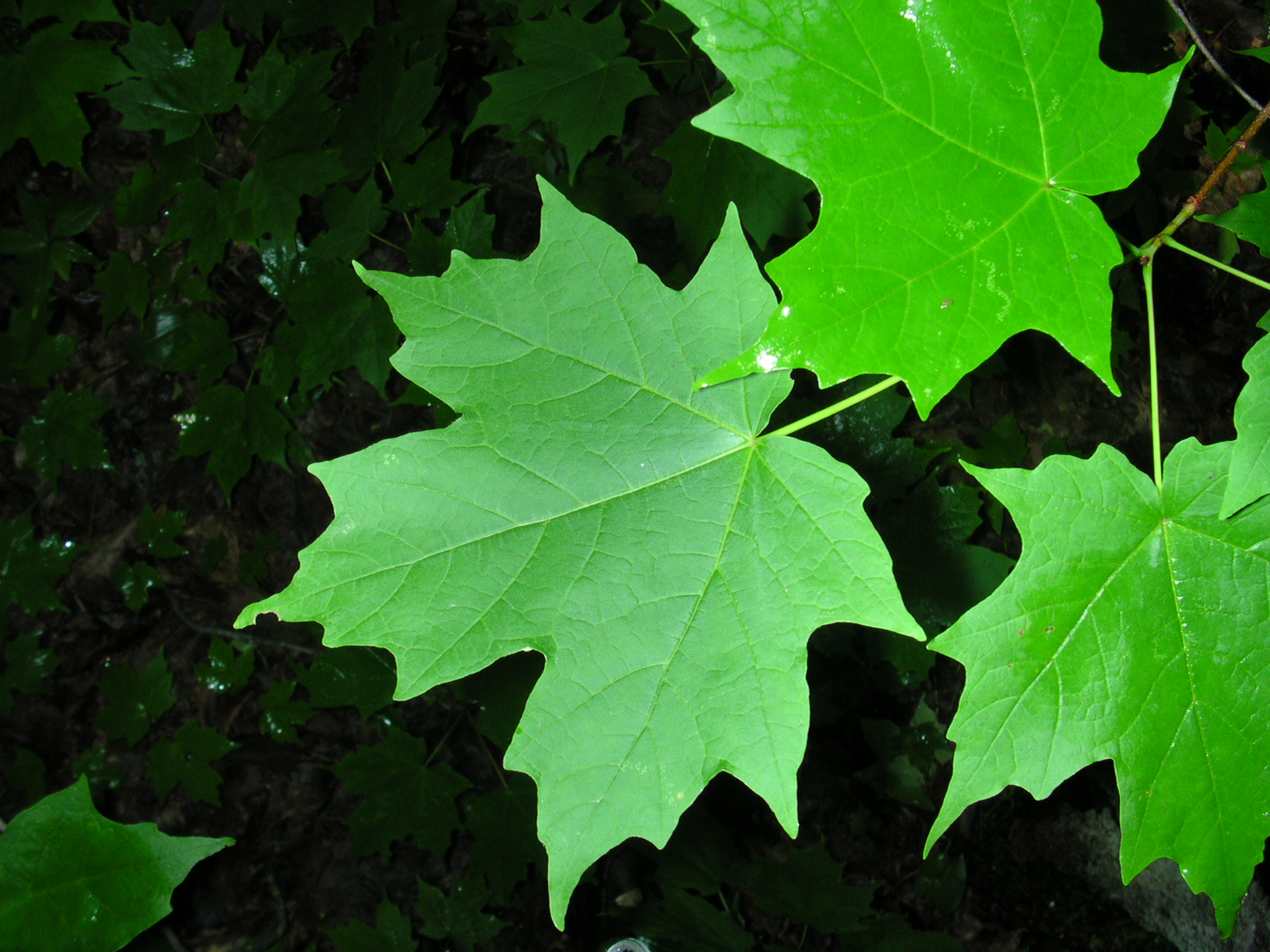
Red Maple. Acer rubrum, the red maple, also known as swamp maple, water maple, or soft maple, is one of the most common and widespread deciduous trees of eastern and central North America. The U.S. Forest Service recognizes it as the most abundant native tree in eastern North America. The red maple ranges from southeastern Manitoba around the Lake of the Woods on the border with Ontario and Minnesota, east to Newfoundland, south to Florida, and southwest to East Texas. Many of its features, especially its leaves, are quite variable in form. At maturity, it often attains a height around 30 m (100 ft). Its flowers, petioles, twigs, and seeds are all red to varying degrees. Among these features, however, it is best known for its brilliant deep scarlet foliage in autumn.
Growing & care
- Sun: full sun to part shade.
- Water: highly adaptable — tolerates wet, average, and moderately dry soils. One of the few trees equally at home in swamps and ordinary yards.
- Soil: prefers slightly acidic, moist soil; chlorosis (yellowing) appears in high-pH ground.
- Hardiness: USDA zones 3–9 — choose a regionally adapted seed source, as far-northern and far-southern types differ in heat and cold tolerance.
- Mature size: 40–60 feet tall, 30–40 feet wide; faster-growing than sugar maple.
- Pruning: prune in summer or fall — maples bleed sap heavily if cut in late winter/early spring.
Propagation
The samaras (winged seeds) ripen in late spring and germinate immediately without stratification — often sprouting in lawns and beds nearby. Softwood cuttings root with difficulty. Named cultivars like 'October Glory' and 'Red Sunset', selected for reliable fall color, are grafted.
Common problems
Red maple is generally tough but has weak wood prone to storm breakage, especially in fast-grown specimens — structural pruning when young helps. Chlorosis in alkaline soil is common; acidify or choose a different tree for high-pH sites. Verticillium wilt, leafhoppers, and gall mites occur but rarely threaten the tree. The shallow aggressive roots can lift pavement and compete with lawns. Wilted red maple leaves are highly toxic to horses, causing fatal red blood cell damage — keep prunings and fallen branches out of horse pastures; safe for dogs and cats.
Red Maple — seeds, tools & books
Native range
Native range not recorded for this plant. Often a non-native cultivar or naturalized garden plant.