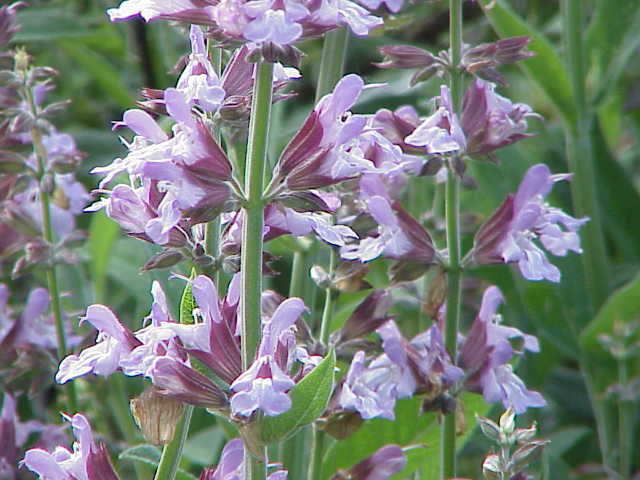
Orange Daylily
Hemerocallis fulva
Also called: Tawny Daylily, Tiger Daylily

Orange Daylily. Hemerocallis fulva, the orange day-lily, tawny daylily, corn lily, tiger daylily, fulvous daylily, ditch lily or Fourth of July lily, is a species of daylily native to Asia. It is very widely grown as an ornamental plant in temperate climates for its showy flowers and ease of cultivation. It is not a true lily in the genus Lilium, but gets its common name from the superficial similarity of its flowers to Lilium and from the fact that each flower lasts only one day.
Growing & care
- Sun: full sun to part shade. Blooms heaviest in 6+ hours of sun; tolerates partial shade with reduced flower count.
- Water: average. Drought-tolerant once established; established roots reach deep moisture.
- Soil: any reasonably drained soil. Adapts to clay, sand, and rocky ground.
- Hardiness: USDA zones 3–9 — among the toughest perennials available.
- Spacing: 18–24 inches; the clumps expand steadily.
- Deadhead: snap off finished blooms daily to keep the display tidy; cut entire spent scape to the base after final bloom.
Propagation
Divide clumps every 3–5 years in early spring or just after bloom. Lift the entire root mass with a fork, wash off soil, and separate fans with a sharp knife — each fan with roots will bloom the following year. Seed-grown plants vary in color and bloom time; named cultivars must be divided to stay true.
Common problems
In the Northeast, daylily rust (a fungal disease) and the daylily leafminer pest have become widespread; tolerant cultivars are increasingly available. Daylilies escape gardens and outcompete native riparian flora — avoid planting near streams or natural areas. Critically, daylilies are highly toxic to cats: even small ingestions of any plant part, including pollen, can cause acute kidney failure within hours. Do not plant where cats can access them; emergency veterinary care is required for any suspected exposure. Generally considered safe for dogs.
Orange Daylily — seeds, tools & books
Native range
Native range not recorded for this plant. Often a non-native cultivar or naturalized garden plant.