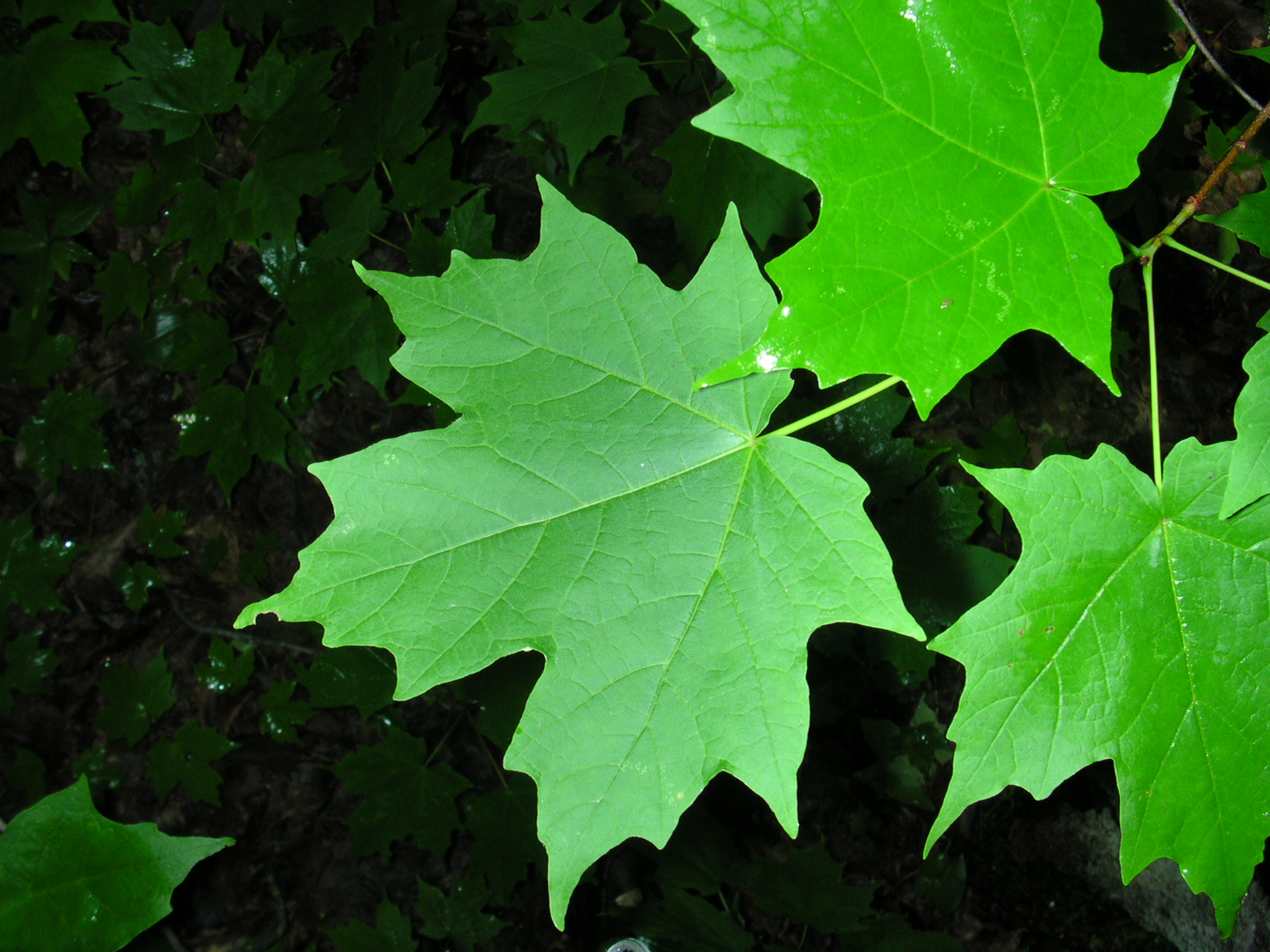
Ulmus procera Salisb.
Ulmus procera Salisb.
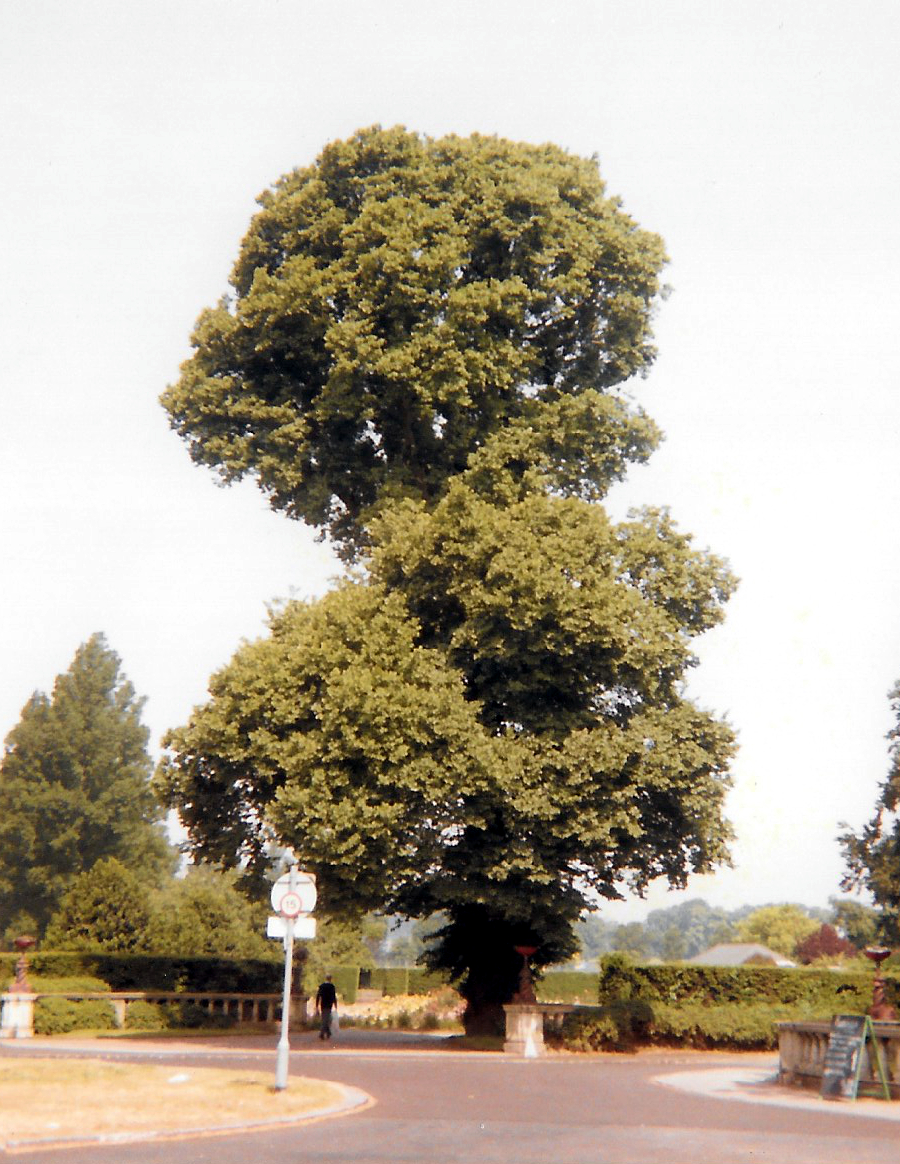
Ulmus procera Salisb.. The field elm cultivar 'Atinia' , commonly known as the English elm, formerly common elm and horse may, and more lately the Atinian elm, was, before the spread of Dutch elm disease, the most common field elm in central southern England, though not native there, and one of the largest and fastest-growing deciduous trees in Europe. R. H. Richens noted that elm populations exist in north-west Spain, northern Portugal, and on the Mediterranean coast of France that "closely resemble the English elm" and appear to be "trees of long standing" in those regions rather than recent introductions. Augustine Henry had earlier noted that the supposed English elms planted extensively in the Royal Park at Aranjuez from the late 16th century onwards, specimens said to have been introduced from England by Philip II and "differing in no respects from the English elm in England", behaved as native trees in Spain. He suggested that the tree "may be a true native of Spain, indigenous in the alluvial plains of the great rivers, now almost completely deforested".
Ulmus procera Salisb. — seeds, tools & books
Native range
Native range not recorded for this plant. Often a non-native cultivar or naturalized garden plant.