Zinnia
Zinnia elegans
Also called: Common Zinnia

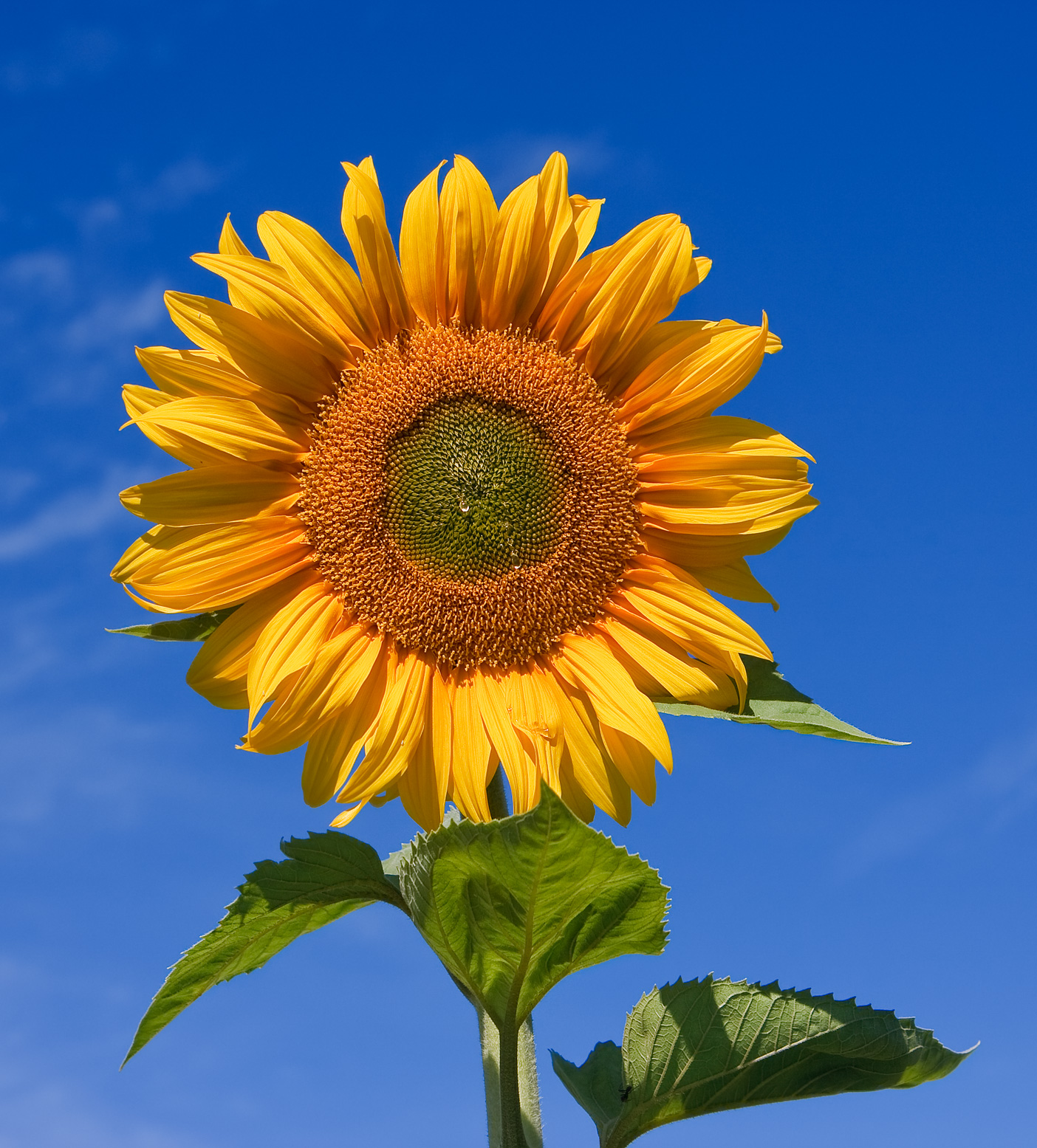
Zinnia. Zinnia elegans is an annual originally native to the scrublands of central Mexico and now the workhorse of American summer cut-flower gardens. Daisy-like blooms ranging from button singles to dahlia-flowered doubles open in nearly every color except true blue, and the plants flower from early summer through hard frost with minimal fuss.
Growing & care
- Sun: full sun, minimum 6 hours. Shade produces leggy plants and powdery mildew.
- Water: average; deep weekly watering at soil level beats frequent surface sprinkles.
- Soil: any well-drained soil; rich loam grows the tallest specimens.
- Hardiness: annual across USDA zones 2–11. Sow after last frost when soil reaches 70°F.
- Spacing: 9–18 inches depending on cultivar — crowding worsens mildew dramatically.
- Pinch: when plants are 8–10 inches tall, pinch the central stem above the third leaf pair to multiply branching and total bloom count.
Propagation
Direct-sow seed ¼ inch deep after frost; germination takes 5–10 days in warm soil. Transplants suffer root disturbance and rarely outperform direct-sown plants. Save seed by letting late-season heads dry on the plant, then thresh in a paper bag. Open-pollinated varieties come true; F1 hybrids do not.
Common problems
Powdery mildew is the universal zinnia issue — disease-resistant series like 'Profusion' and 'Zahara' largely sidestep it. Water at the base, never overhead. Japanese beetles chew petals; hand-pick into soapy water. Alternaria leaf spot shows as small dark lesions in wet years. Zinnias are non-toxic to dogs and cats per ASPCA — safe for cut-flower bouquets around pets.
Zinnia — seeds, tools & books
Native range
Native range not recorded for this plant. Often a non-native cultivar or naturalized garden plant.