Common Sunflower
Helianthus annuus
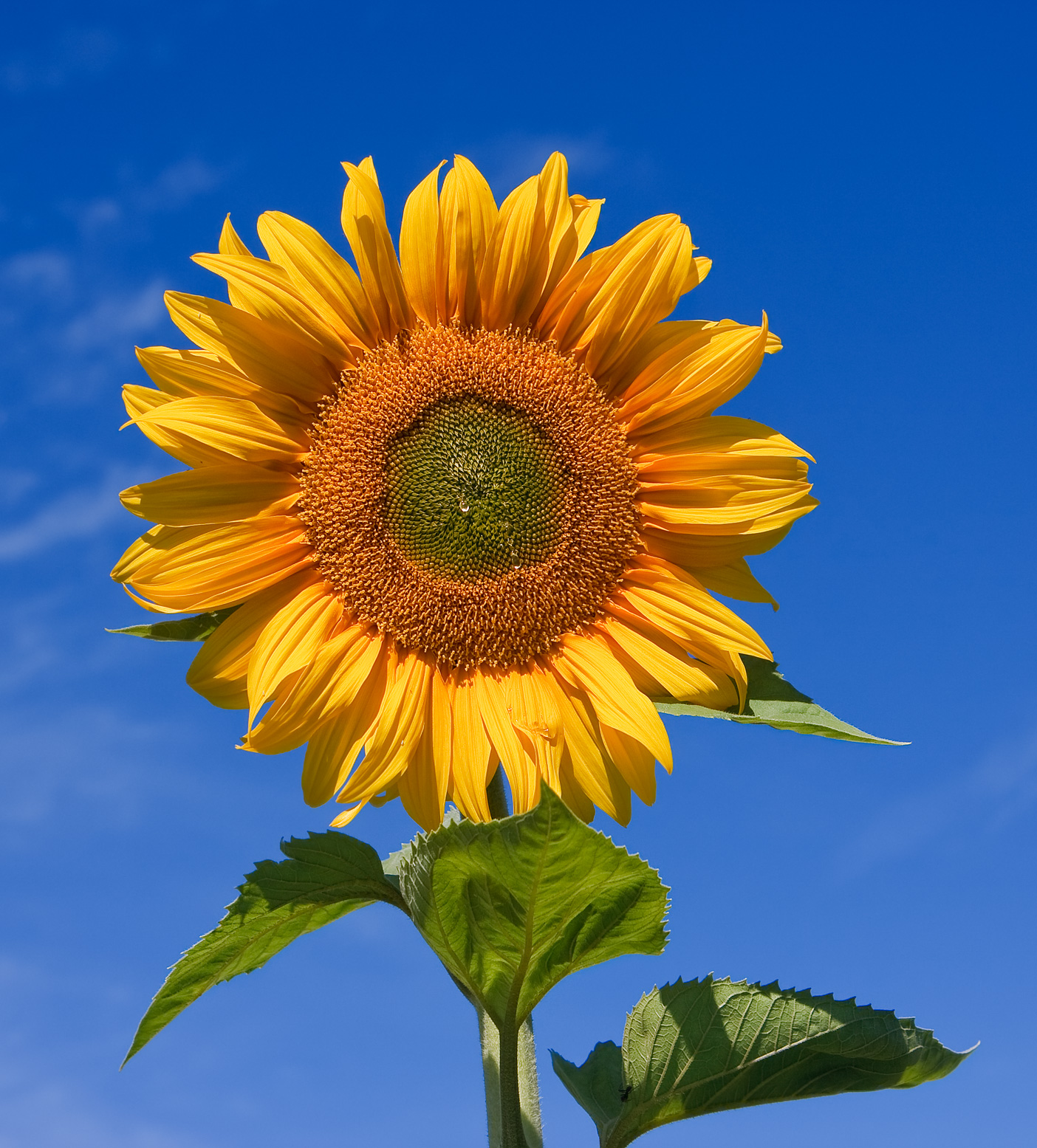
Common Sunflower. The common sunflower is a large annual forb in the daisy family Asteraceae. The domesticated form of common sunflower is harvested for its edible seeds, which come in two types: oil and confectionary seeds. Oilseed sunflowers are widely grown globally and represent the fourth most used vegetable oil in the world. They also are used widely as bird food or as food for livestock. In contrast, confectionary sunflower seeds are often eaten as a snack food or in baking. There also are horticultural sunflower varieties that are used as plantings in domestic gardens for aesthetics. Wild plants are known for their multiple flower heads, whereas the domestic sunflower often possesses a single large flower head atop an unbranched stem.
Growing & care
- Sun: full sun, the more the better. Less than 6 hours produces weak stems and small heads.
- Water: average; deeper, less frequent watering encourages deep roots and resilience.
- Soil: any well-drained soil; sunflowers tolerate poor ground but reward fertile loam with larger heads.
- Hardiness: annual — grown across USDA zones 2–11 after the last frost.
- Sowing: direct-sow 1 inch deep after soil reaches 60°F. Successional sowings every 2 weeks extend the bloom from midsummer to first frost.
- Staking: giant varieties need a stake driven at planting; wait until they flop and it is too late.
Propagation
Direct sowing is by far the easiest method — transplants struggle from root disturbance. Save seed from open-pollinated varieties by drying mature heads upside-down in a paper bag; hybrid F1 seed does not come true. Birds and squirrels will harvest the heads if uncovered — bag with mesh once petals drop.
Common problems
Downy mildew and powdery mildew appear on wet foliage — water at the base. Sunflower moth larvae bore into developing heads; floating row cover at bud stage prevents egg laying. Deer and rabbits eat young seedlings. Squirrels strip developing seeds — many gardeners simply plant extra. Allelopathic root exudates can suppress nearby vegetables, particularly potatoes; rotate planting locations.
Common Sunflower — seeds, tools & books
Native range
Native to 50 states