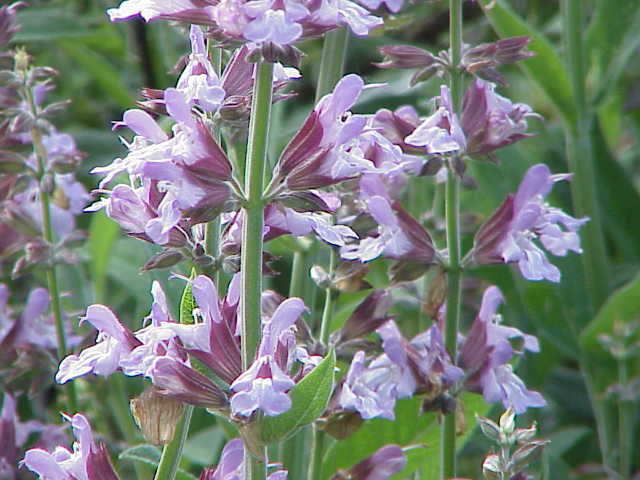
Wild Columbine
Aquilegia canadensis L.
Also called: Eastern Red Columbine, Canadian Columbine

Wild Columbine. Aquilegia canadensis, the wild or eastern red columbine, is a delicate herbaceous perennial native to rocky woods, ledges, and slopes across eastern North America. Distinctive nodding flowers combine red spurred sepals with yellow centers, dangling like lanterns above lacy blue-green foliage in mid to late spring. The long nectar spurs are perfectly matched to ruby-throated hummingbirds and long-tongued bees.
Growing & care
- Sun: part shade is ideal; tolerates full sun in cool climates with moisture and full shade with reduced bloom.
- Water: average. Drought-tolerant once established, especially in its native rocky-woodland conditions.
- Soil: well-drained, average to rocky. Remarkably adaptable, even to poor and gravelly ground.
- Hardiness: USDA zones 3–8.
- Spacing: 12–18 inches.
- Longevity: individual plants are short-lived (2–3 years) but self-sow reliably to form persistent colonies.
Propagation
Self-sows freely in suitable conditions — the easiest propagation is simply to let seed heads ripen and scatter. For control, collect the shiny black seed and sow in fall (it needs cold stratification). Plants flower in their second year. Division is difficult and usually unnecessary given the reliable reseeding.
Common problems
Leaf miner is the most common cosmetic issue, leaving pale serpentine trails on the foliage — cut affected leaves to the ground after bloom and fresh growth emerges clean. Columbine is otherwise tough and largely pest-free. Short individual lifespan means relying on self-sown seedlings. The seeds and roots contain compounds that are mildly toxic if eaten in quantity, but the plant is not a significant hazard. A graceful, adaptable native for shade and woodland gardens, and an excellent early-season hummingbird plant.
Wild Columbine — seeds, tools & books
Native range
Native range not recorded for this plant. Often a non-native cultivar or naturalized garden plant.