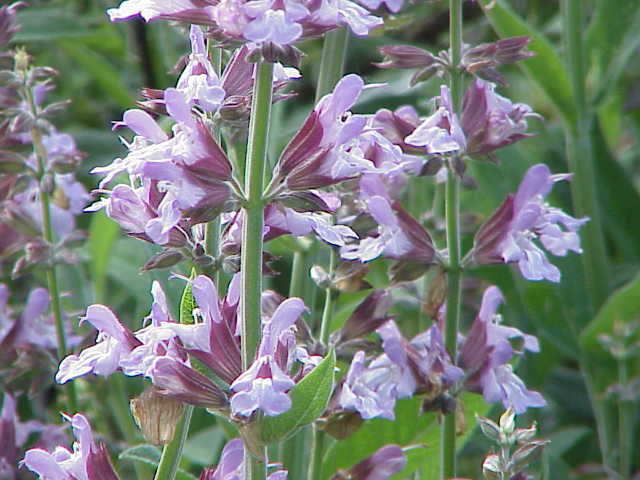
Swamp Milkweed
Asclepias incarnata L.
Also called: Rose Milkweed

Swamp Milkweed. Asclepias incarnata, the swamp milkweed, rose milkweed, rose milkflower, swamp silkweed, or white Indian hemp, is a herbaceous perennial plant species native to North America. It grows in damp through wet soils and also is cultivated as a garden plant for its flowers, which attract butterflies and other pollinators with nectar. Like most other milkweeds, it has latex containing toxic steroids, a characteristic that repels many species of insects and mammals.
Growing & care
- Sun: full sun.
- Water: prefers consistently moist to wet soil; native to swamps and wet meadows. Tolerates average garden soil with reliable moisture, unlike its dry-land milkweed relatives.
- Soil: rich, moist; ideal for rain gardens and pond edges.
- Hardiness: USDA zones 3–9.
- Spacing: 18–24 inches; forms a clump rather than spreading aggressively like common milkweed.
- Late emergence: like other milkweeds, it emerges late in spring — mark its spot so you don't dig into it.
Propagation
Unlike common milkweed, swamp milkweed is clump-forming and grows readily from seed: cold-stratify for 30 days and sow in spring; plants often bloom the first or second year. It can also be divided in spring, though the deep roots make this harder. Cuttings root in summer.
Common problems
Swamp milkweed is the best-behaved milkweed for gardens — it stays in a tidy clump rather than running aggressively. Oleander aphids (bright yellow) cluster on stems but rarely cause real harm; avoid spraying, as it kills monarch eggs and caterpillars. It needs reliable moisture and struggles in dry soil. All milkweeds contain cardiac glycosides that are toxic to dogs, cats, livestock, and humans if eaten in quantity, and the sap irritates skin and eyes. The single most important reason to grow it: it is a premier native host plant for monarch butterflies. Choose this over invasive tropical milkweed.
Swamp Milkweed — seeds, tools & books
Native range
Native range not recorded for this plant. Often a non-native cultivar or naturalized garden plant.