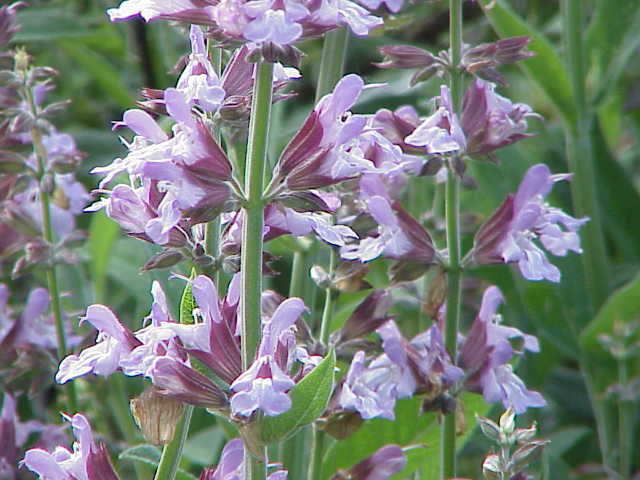
Blue Wild Indigo
Baptisia australis (L.) R. Br.
Also called: Blue False Indigo

Blue Wild Indigo. Baptisia australis, commonly known as blue wild indigo or blue false indigo, is a flowering plant in the family Fabaceae (legumes). It is a perennial herb native to much of central and eastern North America and is particularly common in the Midwest, but it has also been introduced well beyond its natural range. Naturally it can be found growing wild at the borders of woods, along streams or in open meadows. It often has difficulty seeding itself in its native areas due to parasitic weevils that enter the seed pods, making the number of viable seeds very low. The plant has low toxicity levels for humans.
Growing & care
- Sun: full sun for upright sturdy growth; flops in shade.
- Water: low once established. The deep taproot makes mature plants exceptionally drought-tolerant.
- Soil: average to lean, well-drained. Tolerates poor and rocky soil; as a legume it fixes its own nitrogen.
- Hardiness: USDA zones 3–9.
- Spacing: 24–36 inches — it grows into a substantial 3–4 foot wide clump.
- Patience: slow to establish (often 2–3 years to bloom well) but then long-lived and essentially permanent.
Propagation
Grows from a deep, woody taproot that makes mature plants nearly impossible to divide or transplant — site it permanently from the start. Seed is the practical method: scarify the hard coat and cold-stratify, then sow; seedlings take 2–3 years to flower. Sow where plants are to grow, as even young plants resent disturbance.
Common problems
The deep taproot means false indigo cannot be moved once established, so siting it correctly the first time is critical. It is slow to mature, testing the patience of gardeners expecting fast results. After flowering, plants can open up or flop in rich soil or shade — full sun and lean ground keep them upright, or shear lightly after bloom for a tidy mound. Voles occasionally eat roots. Non-toxic to dogs and cats per ASPCA listings, deer-resistant, drought-proof, and one of the longest-lived, lowest-maintenance native perennials once established.
Blue Wild Indigo — seeds, tools & books
Native range
Native range not recorded for this plant. Often a non-native cultivar or naturalized garden plant.