Getting Started with Native Plants
A practical primer on choosing, sourcing, and planting native species for any region of the United States.
2026-06-14
Native plants are the backbone of a low-maintenance, pollinator-friendly garden. They evolved alongside local soil, weather, and wildlife — so once established, they generally need less water, no fertilizer, and no pesticides.
Why go native
A garden of natives is not a wild lawn. It is a curated planting of species that already belong in your region. The benefits compound:
- Lower inputs — no fertilizer, minimal water after establishment, no pest controls.
- Pollinator support — most native bees can only reproduce on the host plants they co-evolved with.
- Climate resilience — natives tolerate the heat, drought, and freezes typical of their range.
How to choose
Start with your USDA hardiness zone, then narrow to plants native to your state. Browse plants by state to see the curated list for your region.
For pollinator gardens, look for keystone species — a small number of native plants that support the bulk of local insect biomass. In most of the United States, these include oaks, willows, goldenrods, asters, and milkweeds.
Planting tips
- Plant in fall when possible — cool soil and reliable rain help roots establish before summer stress.
- Match plant to site — full sun species fail in shade; wetland species fail on a dry slope.
- Mulch lightly — natives generally prefer lean, mineral soil; deep mulch can suffocate seedlings.
- Water for one season — even drought-tolerant natives need consistent water their first year.
- Resist deadheading — seed heads feed birds and reseed your meadow for free.
Where to start
Browse plants native to your state, or read these foundational profiles:
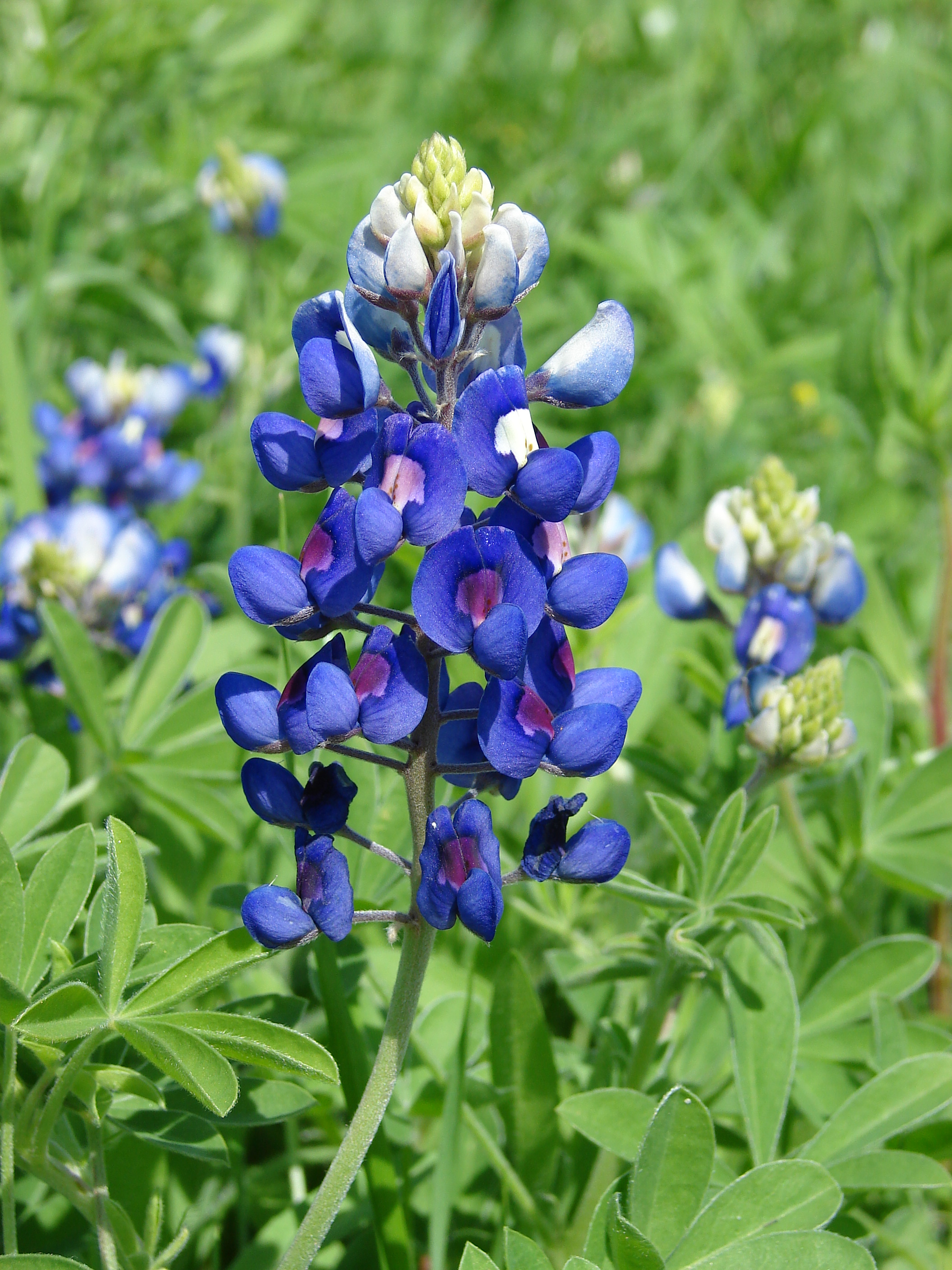
- Texas Bluebonnet — iconic spring wildflower of the South.
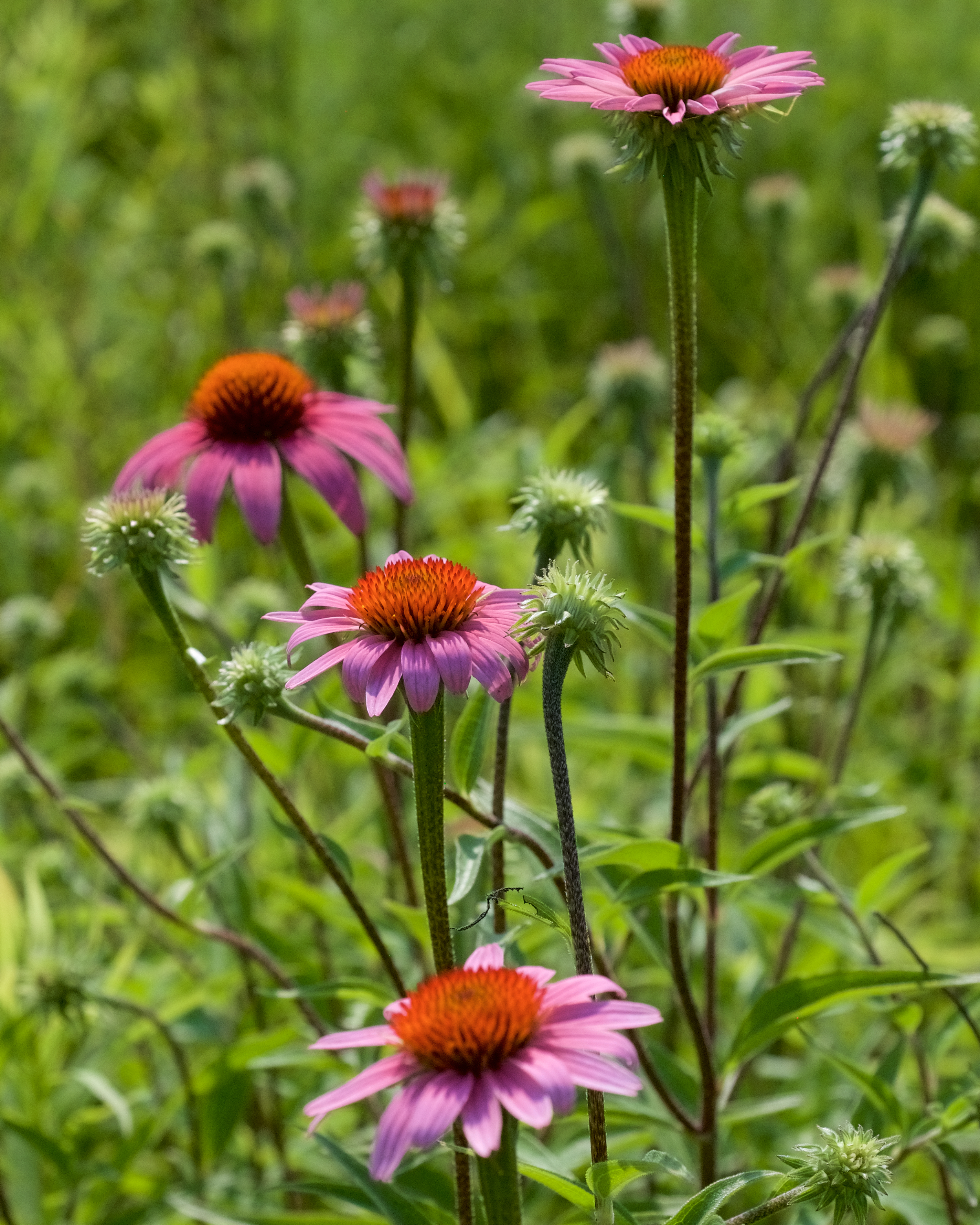
- Purple Coneflower — widespread pollinator perennial.
- Butterfly Weed — critical monarch host plant.
Frequently asked questions
- What counts as 'native'?
- A native plant is one that occurred naturally in a region before European settlement. Native ranges are state-by-state — a plant native to Texas is not automatically native to Ohio.
- Why plant natives instead of ornamentals?
- Natives evolved alongside local pollinators, soil microbes, and climate. They generally require less water, less fertilizer, no pesticides, and support more wildlife than ornamental substitutes.
- Where can I buy native plants?
- State native-plant societies maintain vetted nursery lists. Avoid big-box stores for natives — many sell mislabeled cultivars or plants treated with neonicotinoid pesticides harmful to pollinators.