Spartina alterniflora Loisel.
Spartina alterniflora Loisel.

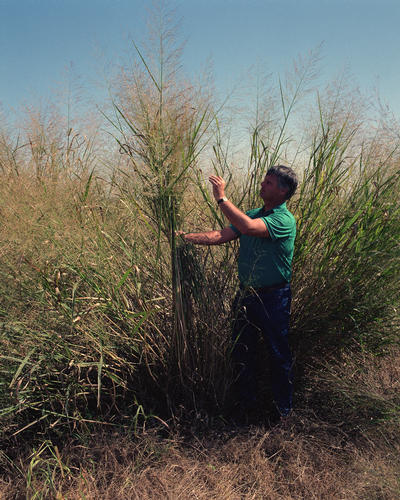
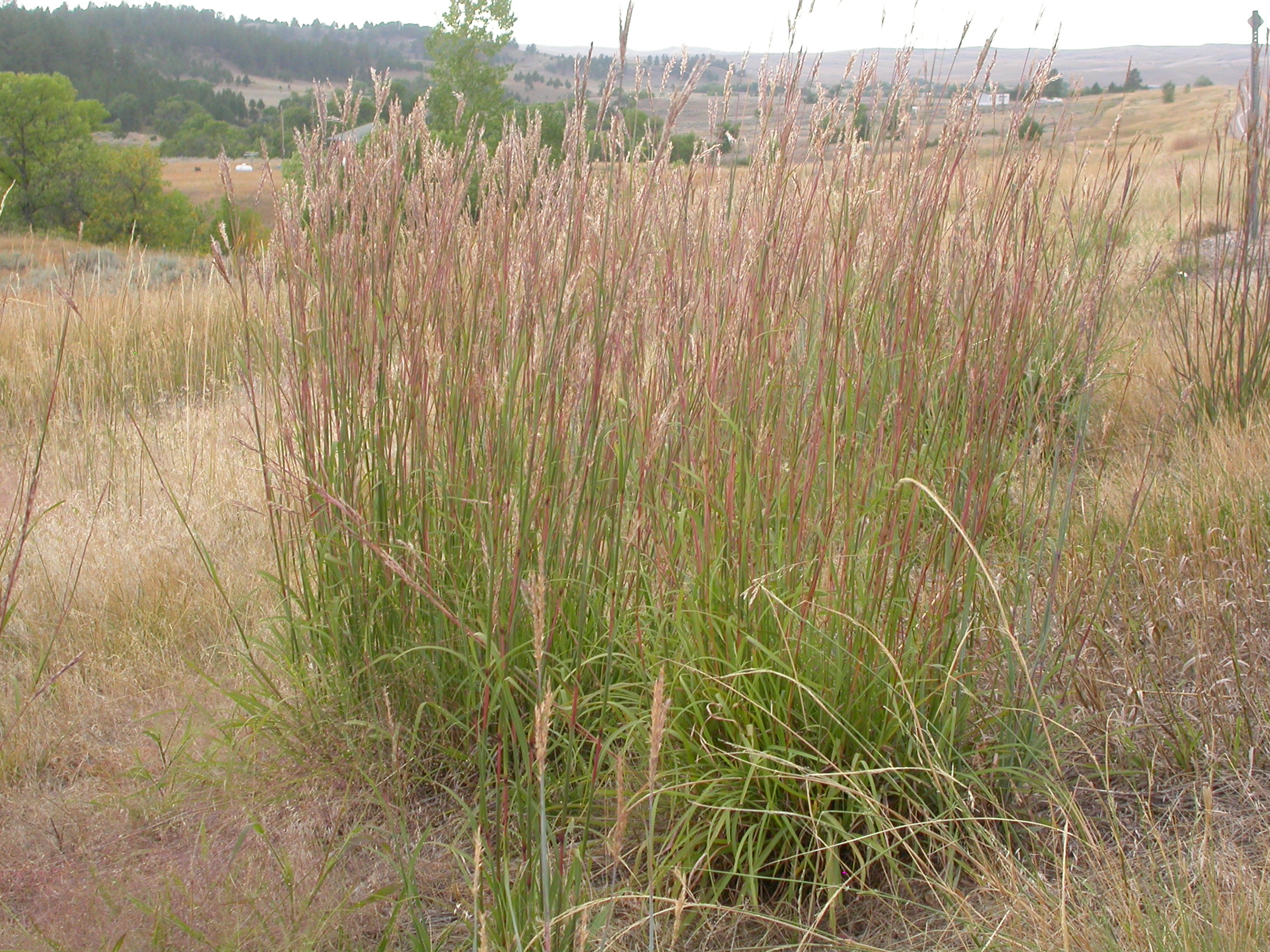
Spartina alterniflora Loisel.. Sporobolus alterniflorus, or synonymously known as Spartina alterniflora, the smooth cordgrass, saltmarsh cordgrass, or salt-water cordgrass, is a perennial deciduous grass which is found in intertidal wetlands, especially estuarine salt marshes. It has been reclassified as Sporobolus alterniflorus after a taxonomic revision in 2014, but it is still common to see Spartina alterniflora and in 2019 an interdisciplinary team of experts coauthored a report published in the journal Ecology supporting Spartina as a genus. It grows 1–1.5 m (3–5 ft) tall and has smooth, hollow stems that bear leaves up to 20–60 cm (8–24 in) long and 1.5 cm wide at their base, which are sharply tapered and bend down at their tips. Like its relative saltmeadow cordgrass S. patens, it produces flowers and seeds on only one side of the stalk. The flowers are a yellowish-green, turning brown by the winter. It has rhizomes, which, when broken off, can result in vegetative asexual growth. The rhizomes are an important food resource for snow geese. Sporobolus alterniflorus grows in low marsh as well as high marsh, but it is usually restricted to low marsh because it is outcompeted by salt meadow cordgrass in the high marsh. It grows in a wide range of salinities, from about 5 psu to marine, and has been described as the "single most important marsh plant species in the estuary" of Chesapeake Bay. It is described as intolerant of shade.
Spartina alterniflora Loisel. — seeds, tools & books
Native range
Native range not recorded for this plant. Often a non-native cultivar or naturalized garden plant.