Indian Paintbrush
Castilleja indivisa
Also called: Texas Paintbrush, Entire-leaf Paintbrush
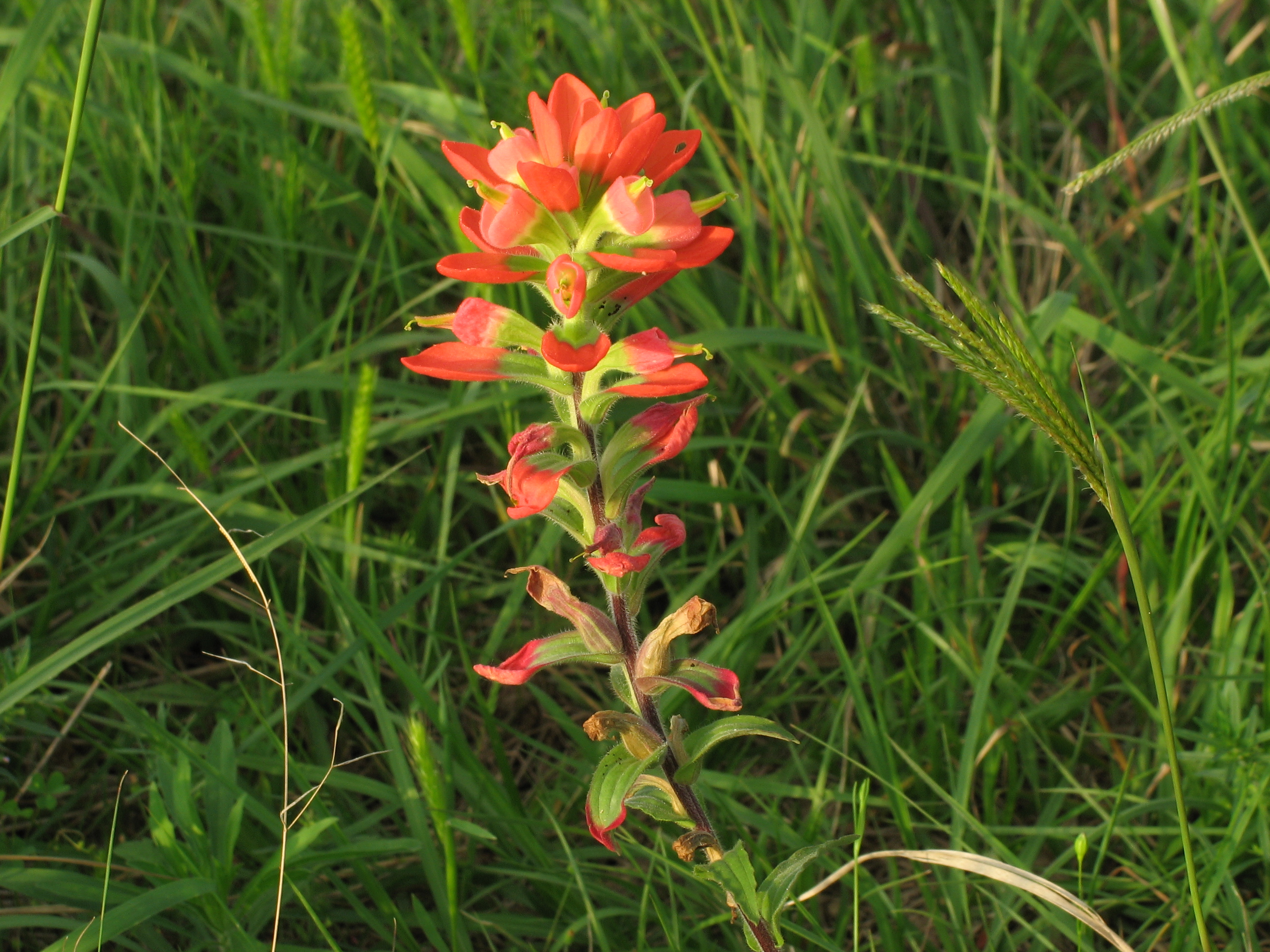
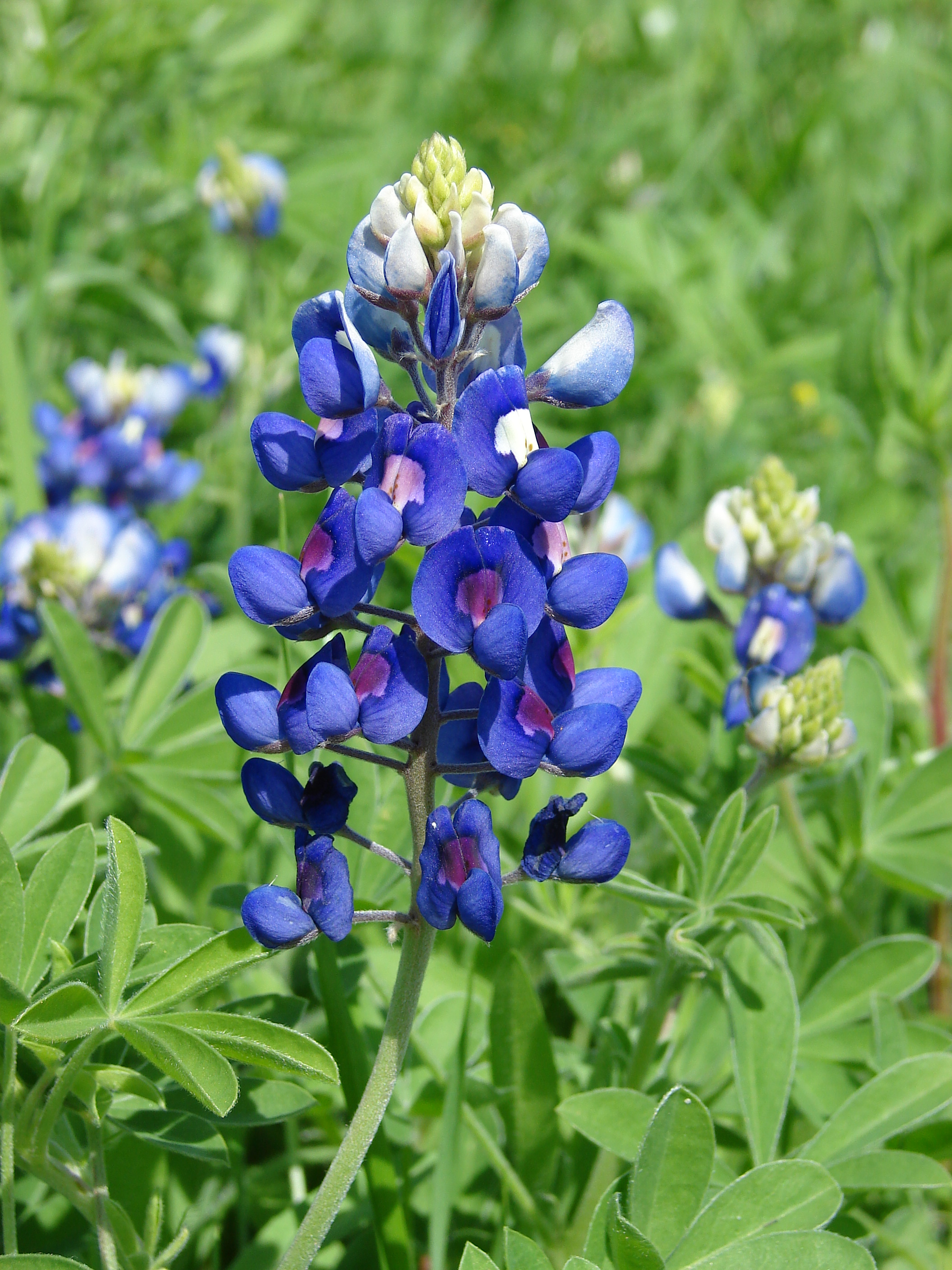
Indian Paintbrush. Castilleja indivisa, the Texas paintbrush or entire-leaf paintbrush, is a winter annual native to sandy prairies and pinewoods of east and central Texas, adjacent Oklahoma, Louisiana, and Arkansas. Vivid red-orange bracts surround small inconspicuous flowers from March through May, often interplanted with Texas bluebonnets to produce the iconic red-and-blue wildflower combinations of the Hill Country.
Growing & care
- Sun: full sun. Required for proper flowering.
- Water: rainfall only after fall germination.
- Soil: sandy, well-drained, slightly acidic to neutral. Heavy or alkaline soil reduces survival.
- Hardiness: annual across USDA zones 7–9. Sow in late September through November for spring bloom.
- Host plant required: paintbrush is hemiparasitic — its roots attach to grass roots to extract nutrients. Sow seed in established native grass stands or alongside bluebonnets; isolated plantings in cleared soil almost always fail.
- Spacing: broadcast seed at 1 ounce per 250 square feet for naturalized look.
Propagation
Broadcast fresh seed onto lightly raked soil between September 1 and November 15, alongside or among compatible host species (native grasses or bluebonnets). Cool moisture and short days trigger germination by midwinter; plants flower the following spring then die. Transplanting is essentially impossible due to the hemiparasitic root attachment — sow in place.
Common problems
Most paintbrush failures trace to one of three causes: sown in disturbed soil without host plants nearby, sown too late in the season, or sown into beds that get summer irrigation. The natural cycle is summer-dry / fall-wet — landscape irrigation breaks it. Texas paintbrush is considered non-toxic to dogs and cats per ASPCA listings, though the plant can concentrate selenium from soils — livestock grazing very heavily on it have shown selenium toxicity.